
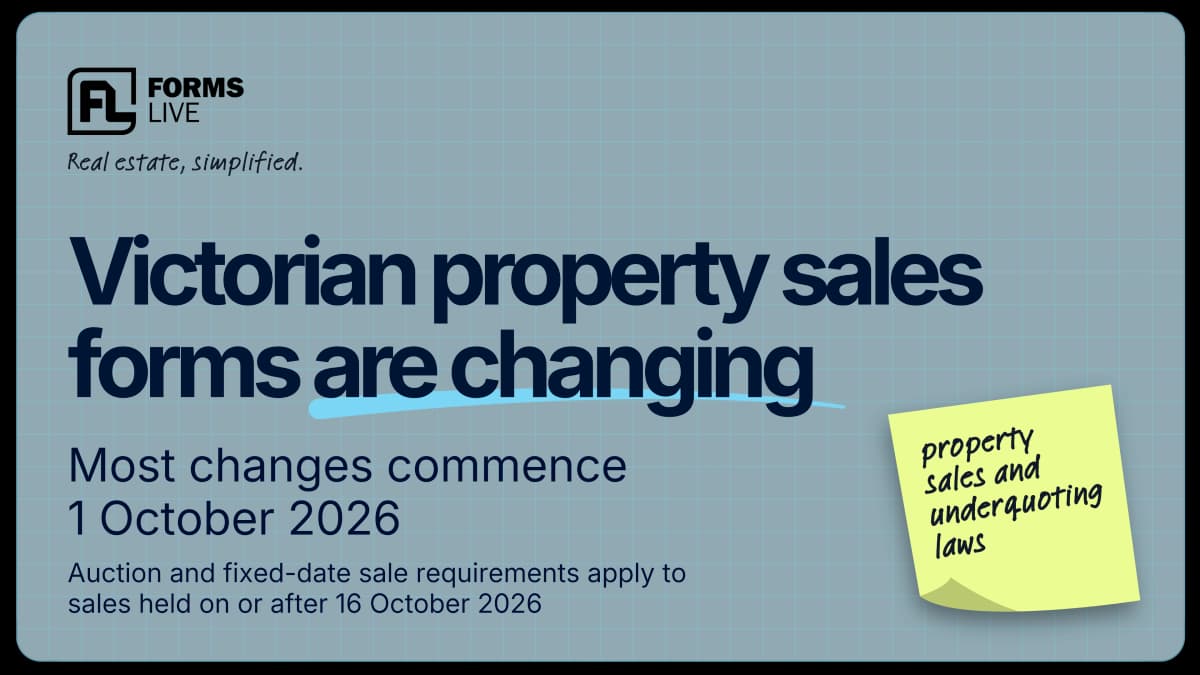
Victorian property sales changes from October 2026: What agents need to know
A practical overview of the new property sales and underquoting requirements, key dates and what Victorian agencies should prepare for.


7 min read
Start 2026 with simpler real estate systems. Learn how boutique agencies can reduce paperwork, manage compliance, and work smarter with the right technology.
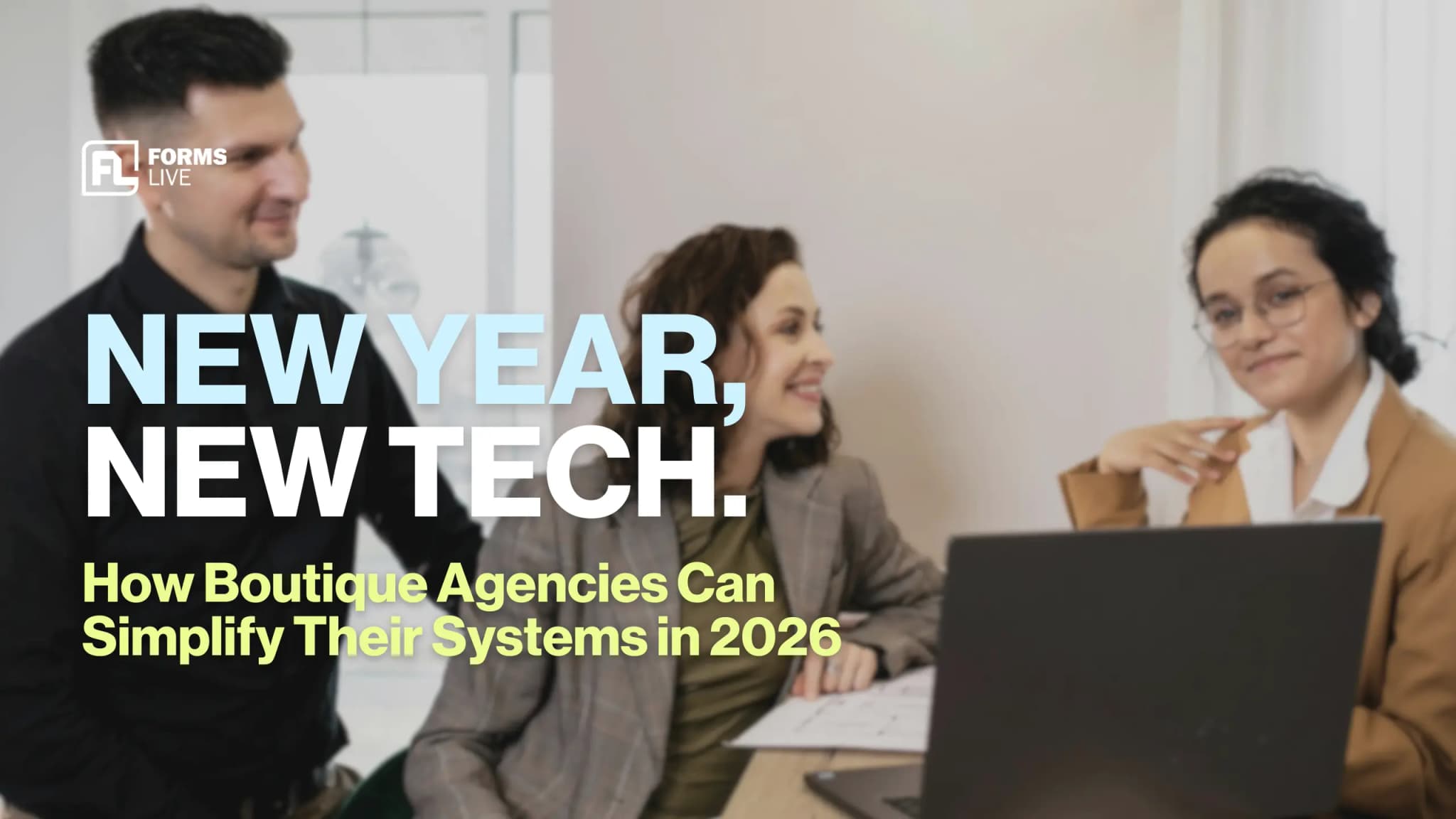
The start of a new year often brings a familiar pressure for real estate agencies: new goals, new expectations… and new technology.
For boutique agencies in particular, the conversation around “upgrading systems” can feel overwhelming rather than empowering. Too many tools. Too many logins. Too many promises that don’t quite fit the reality of small-to-medium enterprises (SMEs) teams juggling compliance, clients, and day-to-day admin.
But heading into 2026, the most effective agencies aren’t asking what new tech should we add? They’re asking a much better question: How can we simplify the systems we already rely on?
Over the past few years, real estate technology has expanded rapidly. While innovation is valuable, it’s also created a new challenge — fragmentation.
Many agencies now find themselves:
For SMEs, this complexity comes at a cost. Not just financially, but mentally. The steep learning curve behind managing multiple systems creates friction that slows teams down.
The reality is, agencies don’t need more technology. They need better-aligned systems that work together.
The most productive agencies share a common mindset: they focus on clarity, consistency, and repeatable workflows.
This means:
When systems are simple, teams:
Simplicity isn’t about doing less — it’s about removing unnecessary friction.
One of the biggest reasons agencies resist new systems isn’t the technology itself — it’s the fear of disruption.
A more sustainable approach is to think in small, practical steps:
1. Start with one process: Choose the task that causes the most frustration — often paperwork or signing.
2. Improve that workflow first: Introduce a solution that removes duplication or manual steps.
3. Build gradually: Once confidence grows, expand into other areas.
This mindset reduces overwhelm and makes change feel manageable rather than forced.
Forms Live was built with SME agencies in mind — teams that value efficiency, compliance, and local support, without unnecessary complexity.
Rather than replacing everything at once, Forms Live is designed to:
Most importantly, it allows agencies to build better systems over time, not overnight.
As agencies plan for the year ahead, the goal shouldn’t be to adopt every new tool on the market. Instead, it should be to create systems that are:
When technology works with your team — not against it — productivity, confidence, and service quality naturally follow.
Ready to take the next step?
If you’re ready to focus on setting up smarter systems without the overwhelm in 2026, start your free Forms Live 10-Day trial today.

The Forms Live platform is the leading provider of forms and contracts for the real estate industry around Australia and is owned by Dynamic Methods. It is used by 8,500 real estate agencies and more than 50,000 agents and managers. More than 60 million of our forms have been used since launch in 2005 resulting in more than $100m in property sales per month and a further $80m in property leases per month.
A practical overview of the new property sales and underquoting requirements, key dates and what Victorian agencies should prepare for.
7 min read

Generate a unique QR code for each open home so attendees can register on their phone in seconds, then download the complete attendee list after the event.
3 min read

The Australian Academy of Property is running four one-day workshops across regional Victoria this October for commercial property professionals. Here’s what’s covered, who should attend, and how to save with Early Bird pricing before 31 August.
4 min read